-
Helpline: +91 9277123454
 English
 Arabic
 Tamil
Tamil









Top 5 Date Varieties You Should Know and How to Use Them
Introduction
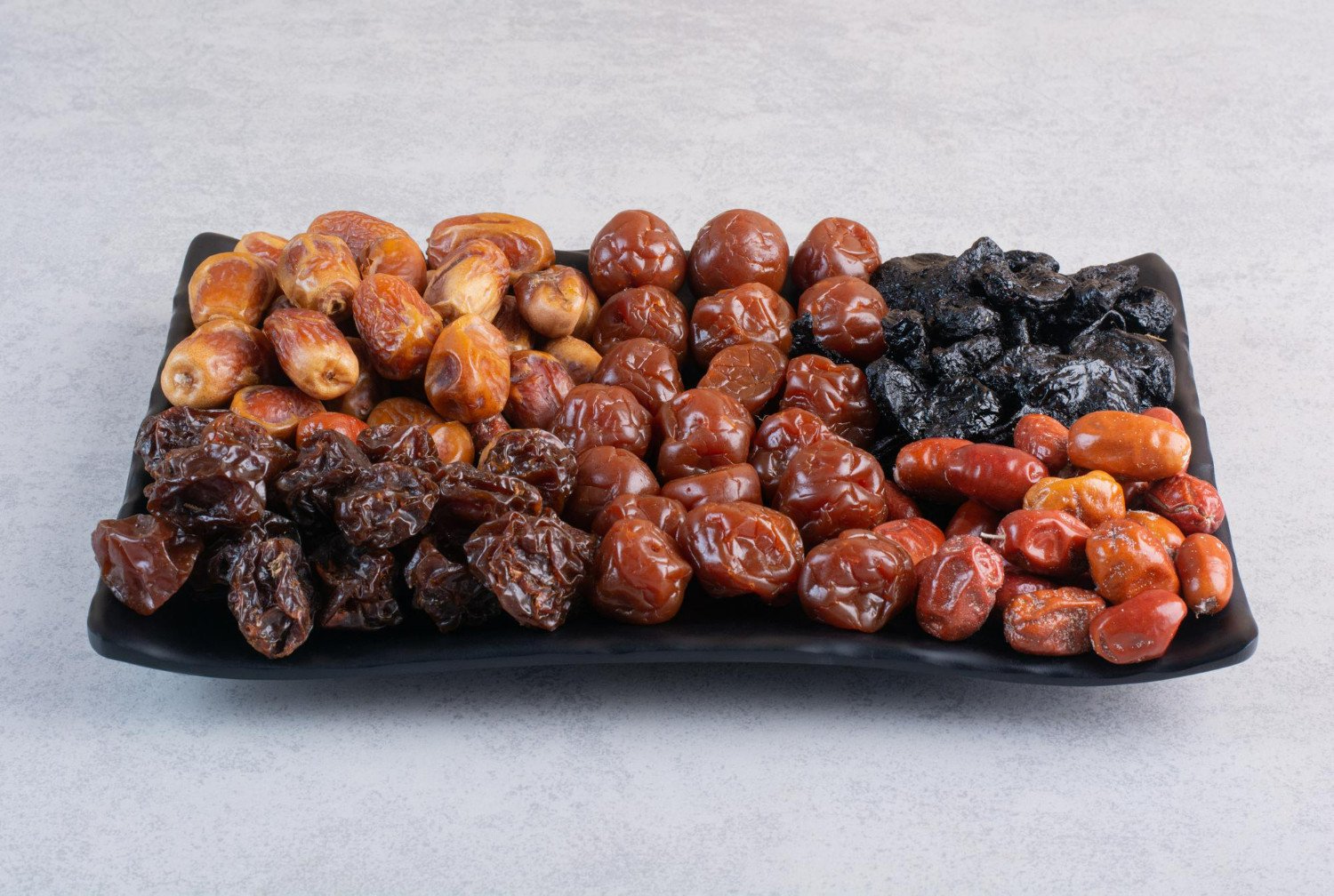
Dates are one of nature’s most remarkable gifts — sweet, nutrient-rich, and steeped in cultural heritage. From bustling Middle Eastern markets to Indian festive kitchens, dates have long been cherished not just for their flavor but for their healing properties and spiritual significance. With over 200 varieties grown worldwide, each type of date offers a unique taste, texture, and culinary potential that can elevate both traditional and modern recipes.
Understanding the differences between date varieties isn’t just for food enthusiasts — it’s essential for anyone looking to make healthier choices or explore global flavors. Whether you’re blending Medjool dates into smoothies, simmering Zahidi dates into chutney, or gifting Ajwa dates during Ramadan, knowing which variety suits your needs can transform your experience.
Why Date Varieties Matter
If you’ve ever bitten into a soft, caramel-like Medjool and then tried a firmer Zahidi, you know the difference is striking. Date varieties vary in sweetness, moisture, size, and culinary versatility. Some are perfect for snacking, while others shine in baking, cooking, or even pickling.
Understanding these differences helps you choose the right date for the right purpose — whether you’re making energy bites, stuffing them with nuts, or simmering them into chutney.
1. Medjool Dates: The King of Dates
Flavor & Texture
Medjool dates are often called the “king of dates” for good reason. They’re large, soft, and incredibly sweet — almost like natural caramel. Their chewy texture and rich flavor make them a favorite among health-conscious snackers and gourmet chefs alike.
Best Uses
- Snacking: Eat them straight from the box for a quick energy boost.
- Stuffed Delights: Fill with almonds, walnuts, or soft cheese for an elegant appetizer.
- Smoothies: Blend into banana or chocolate smoothies for natural sweetness.
- Energy Balls: Combine with oats, seeds, and nut butter for no-bake snacks.
Nutritional Highlights
Medjools are high in potassium, magnesium, and antioxidants. They’re also a great source of natural sugars, making them ideal for pre-workout fuel.
2. Deglet Noor Dates: The Everyday Workhorse
Flavor & Texture
Deglet Noor dates are semi-dry with a firm texture and mild sweetness. They’re less sticky than Medjools and have a subtle nutty flavor, making them versatile for both sweet and savory dishes.
Best Uses
- Baking: Chop and add to muffins, breads, or cookies.
- Salads: Slice thinly and toss with greens, goat cheese, and vinaigrette.
- Granola: Mix into homemade granola or trail mix.
- Savory Dishes: Use in tagines, pilafs, or meat marinades.
Nutritional Highlights
Deglet Noor dates are lower in sugar than Medjools and offer a good balance of fiber and minerals. Their firm texture makes them ideal for recipes that require structure.
3. Barhi Dates: Buttery and Versatile
Flavor & Texture
Barhi dates are unique because they’re often eaten fresh — when they’re still yellow and crunchy. As they ripen, they become soft, creamy, and honey-like in flavor. Their short shelf life makes them a seasonal delicacy.
Best Uses
- Fresh Snacking: Enjoy yellow Barhis for a crisp, apple-like bite.
- Desserts: Use ripe Barhis in puddings, cakes, or ice cream.
- Chutneys: Simmer with spices for a sweet-savory condiment.
- Middle Eastern Dishes: Pair with tahini or yogurt for traditional treats.
Nutritional Highlights
Barhi dates are rich in natural sugars and fiber. Their fresh form offers a unique texture and flavor profile not found in other varieties.
4. Zahidi Dates: The Culinary Chameleon
Flavor & Texture
Zahidi dates are small to medium-sized with a golden hue and firm, dry texture. They’re mildly sweet with a nutty undertone, making them ideal for cooking and long-term storage.
Best Uses
- Cooking: Dice and add to rice dishes, stews, or curries.
- Pickling: Zahidis hold their shape well in pickled preparations.
- Date Syrup: Boil and strain to create a natural sweetener.
- Long-Term Storage: Ideal for bulk buying and pantry stocking.
Nutritional Highlights
Zahidis are lower in moisture and sugar, making them a good choice for diabetics or those watching their sugar intake. They’re also high in dietary fiber and iron.
5. Ajwa Dates: Sacred and Healing
Flavor & Texture
Ajwa dates are small, dark, and soft with a subtle sweetness. They hold deep cultural and religious significance, especially in Islamic traditions, where they’re often consumed during Ramadan and other spiritual occasions.
Best Uses
- Fasting: Traditionally eaten to break fasts due to their gentle sweetness and digestibility.
- Gifting: Often given as spiritual or ceremonial gifts.
- Traditional Remedies: Used in herbal medicine and wellness rituals.
- Snacking: Enjoy as a mindful, nutrient-rich treat.
Nutritional Highlights
Ajwa dates are believed to have healing properties and are rich in antioxidants, magnesium, and anti-inflammatory compounds. Their spiritual value adds to their appeal beyond nutrition.
Tips for Buying and Storing Dates
Choosing the right dates starts with knowing what to look for:
How to Identify Quality Dates
- Color: Should be rich and uniform, not pale or patchy.
- Texture: Soft but not mushy; firm but not brittle.
- Moisture: Avoid overly dry or crystallized dates unless intended for cooking.
Storage Tips
- Room Temperature: Ideal for short-term storage (up to 2 weeks).
- Refrigeration: Extends shelf life for up to 6 months.
- Freezing: Works well for bulk storage — just thaw before use.
Shelf Life
- Medjool and Barhi (ripe): Shorter shelf life due to moisture.
- Zahidi and Deglet Noor: Longer shelf life, ideal for cooking and bulk use.
Health Benefits of Dates
Dates aren’t just delicious — they’re packed with nutrients that support overall wellness:
Digestive Health
High in soluble fiber, dates aid digestion and prevent constipation.
Heart Health
Rich in potassium and magnesium, they help regulate blood pressure and support cardiovascular function.
Natural Energy
Dates provide quick-release energy, making them ideal for athletes, students, and busy professionals.
Antioxidants & Immunity
Dates contain flavonoids, carotenoids, and phenolic acid — compounds that fight inflammation and boost immunity.
Cultural & Ayurvedic Uses
In Ayurveda, dates are considered grounding and nourishing. They’re used to balance Vata and Pitta doshas and support reproductive health.
Creative Ways to Use Dates in Your Kitchen
Beyond snacking and baking, dates can elevate your cooking in surprising ways. Here are some inventive ideas to inspire your next culinary adventure:
1. Date Chutney with Indian Spices
Simmer chopped dates with tamarind, cumin, and chili powder for a sweet-spicy chutney that pairs beautifully with samosas, pakoras, or grilled paneer.
2. Stuffed Dates with Masala Nuts
Fill Medjool dates with spiced cashews or pistachios, then drizzle with rose water for a festive appetizer or dessert.
3. Date and Coconut Ladoo
Blend Deglet Noor dates with shredded coconut, cardamom, and ghee to create no-cook energy balls perfect for Diwali or Navratri.
4. Savory Pilaf with Zahidi Dates
Add chopped Zahidi dates to rice pilaf with saffron, almonds, and caramelized onions for a sweet-savory twist.
5. Barhi Date Smoothie
Blend ripe Barhi dates with banana, almond milk, and cinnamon for a creamy, naturally sweet breakfast drink.
Conclusion: A Sweet Journey Worth Exploring
Dates are more than just a fruit — they’re a bridge between cultures, a powerhouse of nutrition, and a canvas for culinary creativity. Whether you’re blending them into smoothies, simmering them into chutneys, or savoring them during spiritual rituals, dates offer a depth of flavor and meaning that few ingredients can match.
So next time you reach for a snack, consider the humble date. Try a new variety, experiment with a new recipe, or share a box with someone you love. It’s a small act with big impact — on your health, your heritage, and your taste buds.
Recent Posts


Subscribe to our newsletter for regular updates about Offers, Coupons & more
Follow Us
Mobile Apps