-
Helpline: +91 9277123454
 English
 Arabic
 Tamil
Tamil







How to Spot Fake or Adulterated Dry Fruits in the Market And Why You’ll Never Need These Tricks When You Shop at Ideal Traders
Introduction:
Imagine this: You’re at the local mandi or a fancy dry fruit shop. A kilo of golden raisins is gleaming under the lights, cashews look snow-white and perfectly curved, and pistachios are an almost fluorescent green. Everything looks irresistible… until you get home, soak a few raisins, and watch the water turn electric yellow. Congratulations—you just bought sugar syrup coated with artificial colour.
You’re not alone. According to FSSAI crackdowns and independent surveys in India, more than 40 % of loose dry fruits sold in open markets contain some form of adulteration—be it artificial colours, sugar syrup, cheap substitutes, or even toxic polishing agents. The worst part? Many of these look prettier than the real thing.
The good news? Once you finish reading this guide, you’ll be able to spot almost every common trick sellers use. And the even better news? You can completely skip the detective work by ordering from a trusted name - Ideal Traders that guarantees 100 % pure, lab-certified dry fruits straight from the farm.
Let’s dive in.
Why Does Adulteration Happen in the First Place?
Dry fruits are expensive, demand peaks during festivals and winters, and profit margins are mouth-watering. When premium Afghan mamra almonds cost ₹1800–2200 per kg at source, unscrupulous sellers can easily mix in cheaper apricot kernels (₹300–400/kg) and pocket the difference. Seasonal shortages, lack of regulation in wholesale mandis, and low consumer awareness make the dry fruit trade one of the easiest targets for food fraud.
The most commonly adulterated dry fruits are:
- Raisins
- Cashews
- Almonds
- Pistachios
- Walnuts
- Dates
- Saffron (the king of all fakes)
Below is your cheat-sheet to catch the fakes—red flags + foolproof home tests.
1. Raisins (Kishmish)
Real premium raisins are dull, wrinkled, and vary slightly in size and colour.
Fake Signs:
- Unreal bright golden-yellow or green colour
- Glossy, almost wet shine
- Overly sweet syrupy smell
Common Trick: Sellers dip low-grade dark raisins in glucose syrup + permitted (or unpermitted) food colours like Tartrazine (E102) and Brilliant Blue (E133).
Home Test: Drop 8–10 raisins in a glass of warm water.
- Genuine raisins → water stays clear or slightly brownish
- Fake raisins → water turns yellow/blue/green within seconds and raisins become pale
2. Cashews (Kaju)
Premium cashews are off-white or ivory, never sparkling white.
Fake Signs:
- Blinding snow-white colour
- Perfectly uniform shape and size
- Powdery residue when you rub two cashews together
Common Trick: Cheap or broken cashews are “beautified” with maida + soap solution or talcum-like white polish.
Home Test: Rub two cashews vigorously between your palms for 20 seconds.
- Genuine → no residue
- Polished → white powder on your hands
3. Almonds (Badam)
Real California or Afghan mamra almonds are plump, slightly wrinkled, and sweet.
Fake Signs:
- Bitter aftertaste
- Very light in weight
- Pointed tip inside (instead of rounded)
Biggest Fraud: Apricot kernels (khubani ki guthli) are mixed or completely substituted. They look almost identical from the outside but contain amygdalin, which converts to cyanide in the body—toxic in large quantities.
Home Test: Break open a few almonds.
- Real almond kernel → rounded tip, sweet, milky taste
- Apricot kernel → pointed tip, bitter, slightly astringent
4. Pistachios (Pista)
Natural pistachios have a muted green-purple hue inside.
Fake Signs:
- Radioactive neon-green colour
- Sour or chemical smell
Common Trick: Old, pale pistachios are dyed with malachite green or copper sulphate to look “premium Iranian.”
Home Test: Rub a kernel on white paper or tissue.
- Genuine → no colour transfer
- Dyed → bright green stain appears instantly
5. Walnuts (Akhrot)
Fresh walnuts have light golden kernels and a rich, buttery aroma.
Fake Signs:
- Dark brown or black kernels
- Rancid or diesel-like smell
- Paper-thin, brittle shells
Common Trick: Year-old stock is sprayed with cheap refined oil or glycerin to make kernels look shiny and “fresh.”
Home Test: Taste a tiny piece.
- Real walnut → sweet, slightly astringent, buttery
- Old/treated → bitter, rancid, throat-irritating aftertaste
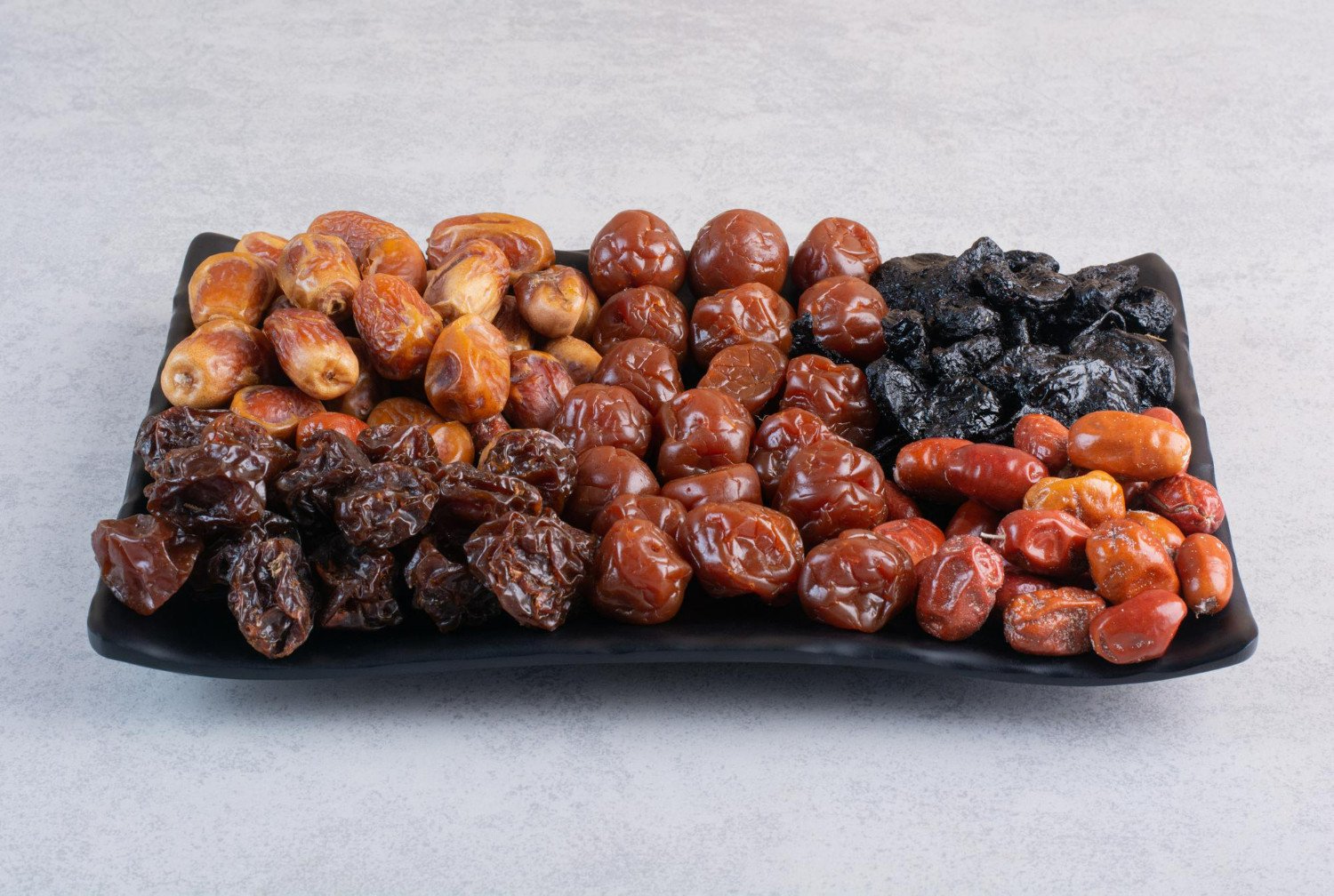
6. Dates (Khajoor)
Premium Ajwa, Medjool, or Safawi dates have a natural matte finish.
Fake Signs:
- Mirror-like glossy surface
- Unnatural darkness or stickiness
Common Trick: Low-grade dates are dipped in glucose syrup or low-quality oil to increase weight and shine.
Home Test: Wash a few dates under running water.
- Genuine → minimal stickiness washes off
- Treated → thick syrup layer comes off, dates shrink noticeably
7. Saffron (Kesar)
Pure Kashmiri or Iranian saffron is the most expensive spice on earth—and the most faked.
Fake Signs:
- Price below ₹250–300 per gram (retail)
- Perfectly uniform long threads
- Almost no aroma
Common Fakes: Dyed corn silk, coconut coir, safflower petals, or even shredded paper.
Home Tests:
- Cold milk test: Add a few strands to cold milk.
- Pure saffron → milk turns golden-yellow slowly (10–15 mins), threads remain red
- Fake → instant red/orange colour, threads become pale
- Finger rub test: Rub strands between fingers.
- Pure → no colour on fingers, strong floral aroma
- Fake → red dye on fingers
General Quick Checks That Work for ALL Dry Fruits
- Smell → Natural nutty/fruity aroma, never chemical or rancid
- Touch → Should feel crisp and dry, not oily or sticky
- Weight → Premium nuts feel heavier for their size
- Price → If it’s 30–40 % cheaper than known brands, walk away
- Packaging → Reputed sellers always mention FSSAI licence, batch no., packing date, and expiry
The Hidden Health Dangers You Can’t Ignore
Eating adulterated dry fruits isn’t just about wasting money. Artificial colours like Tartrazine and Sunset Yellow are linked to hyperactivity in children and allergic reactions. Apricot kernels can cause cyanide poisoning. Malachite green is carcinogenic. Old rancid nuts are loaded with aflatoxins—known liver carcinogens.
One hospital in Lahore reported dozens of children with severe stomach pain after consuming artificially coloured green raisins during Eid. These are not rare incidents.
The Easiest Solution: Skip the Drama, Shop from IdealTraders.co
Why spend your evenings playing food detective when you can buy with 100 % confidence?
Here’s why thousands of families across India and Pakistan trust IdealTraders.co blindly:
- Direct farm sourcing: Mamra almonds from Afghanistan, California Nonpareil & Carmel, Kashmiri walnuts & saffron, Ajwa dates from Madinah—no wholesale mandi middlemen, zero chance of mixing low-grade stock.
- Lab-certified purity: Every single batch is tested for aflatoxins, heavy metals, artificial colours, and adulterants in NABL-accredited labs. Certificates available on request.
- Vacuum-packed + nitrogen-flushed: Stays fresh for 12–18 months without a single preservative.
- Transparency you can see: They regularly post farm videos, harvesting clips, and grading processes on Instagram and their website.
- Taste the difference: Customers say IdealTraders’ mamra almonds are “larger, sweeter, and oilier” than anything they’ve ever had—even compared to premium store brands.
- 5-star trust: Over 25,000 verified reviews and counting.
- 7-day no-questions return policy: If you’re not happy with the quality (almost never happens), send it back.
- Beautiful festive hampers: From luxury wooden boxes to budget-friendly pouches—perfect for Diwali, Eid, Christmas, or corporate gifting.
When you order from IdealTraders.co, the only “test” you’ll ever do is the taste test—and it always passes with flying colours.
Final Words
Learning to spot fake dry fruits is a useful life skill, especially if you love buying from local shops. But in a world where profit often trumps ethics, why take chances with something you and your family eat every single day?
Make the smarter choice. Let IdealTraders.co take the worry out of your dry fruit shopping.
Click here to explore their best-selling premium dry fruits and gift hampers → https://www.IdealTraders.co
Your body—and your peace of mind—will thank you.
Recent Posts

Subscribe to our newsletter for regular updates about Offers, Coupons & more
Follow Us
Mobile Apps